If you’ve ever seen a tattoo that made you look twice — unsure whether you were looking at a photograph or a person’s arm — you’ve seen black and grey realism at its finest. It is one of tattooing’s most technically demanding disciplines, and one of its most breathtaking when executed with genuine skill.
This guide explains what black and grey realism tattooing is, where it comes from, the techniques that define it, and what it takes to build a career in this premium-market specialisation.
Defining Black and Grey Realism
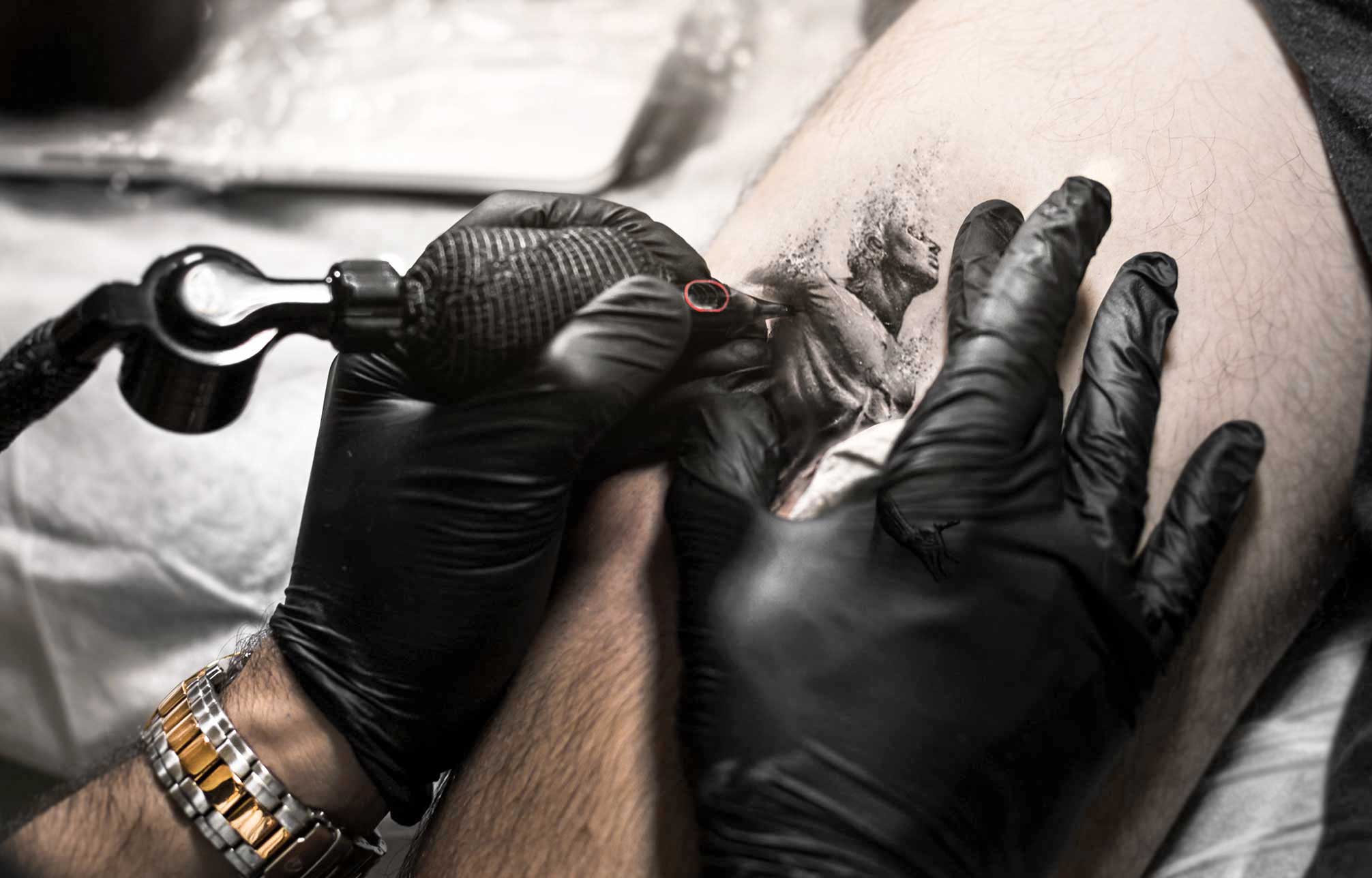
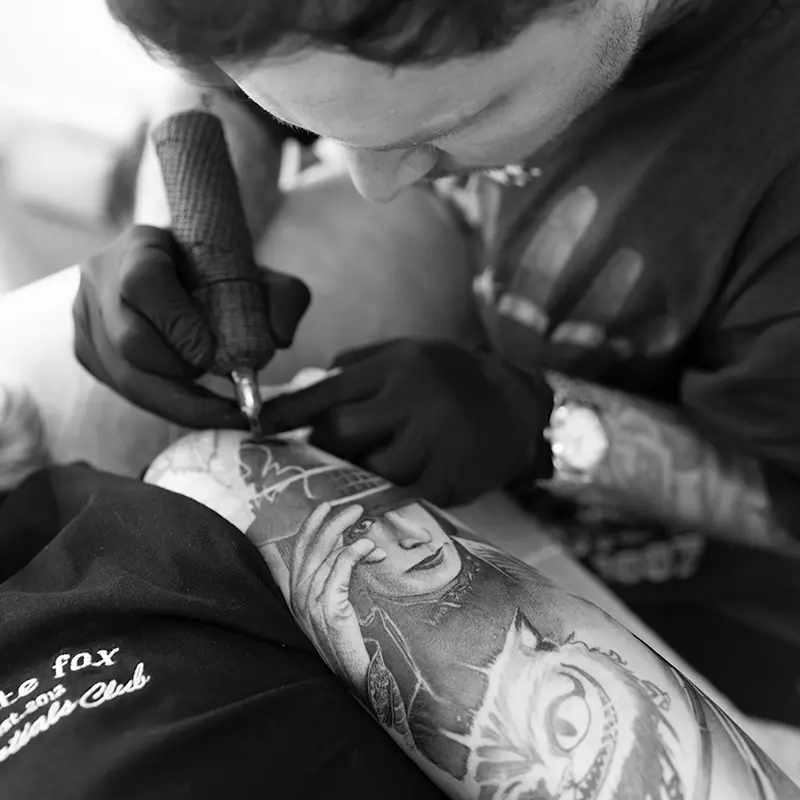
Black and grey realism is a tattooing style that aims to reproduce subjects with photographic or hyperrealistic accuracy, using only black ink diluted to varying grey tones — without colour. The defining characteristic is three-dimensionality: shading gradients, texture simulation, and tonal contrast combine to create the illusion of depth and light on skin.
The style’s subject matter is broad — portraits (human and animal), wildlife, religious iconography, nature scenes, fantasy, and architecture all appear regularly in realism portfolios. What defines the style is not the subject but the commitment to reproducing it with fidelity. Unlike illustrative or neo-traditional work, pure realism uses no outlines. Edges are defined entirely by contrast — light against dark, texture against smooth — which demands a far greater level of technical control than outlined styles.
A Brief History of the Style
Black and grey tattooing traces its roots to American prison culture in the 1970s and 1980s, where artists worked with whatever materials were available — often a single ink diluted with water and improvised equipment. The constraint of monochrome forced the development of sophisticated shading techniques that became the foundation of modern realism.
The style was later refined by artists in the Chicano tattoo tradition, particularly in California, where it became associated with intricate religious and memorial imagery. From there it entered mainstream studio work through the 1990s and 2000s, as artists began pushing the technique toward genuine photorealism. Today, black and grey realism is globally recognised as one of tattooing’s most prestigious specialisations, and Canadian artists working in this style are among the most sought-after in the country.
Core Techniques That Define the Style
Producing convincing realism on skin requires a fundamentally different approach than most other tattoo styles:
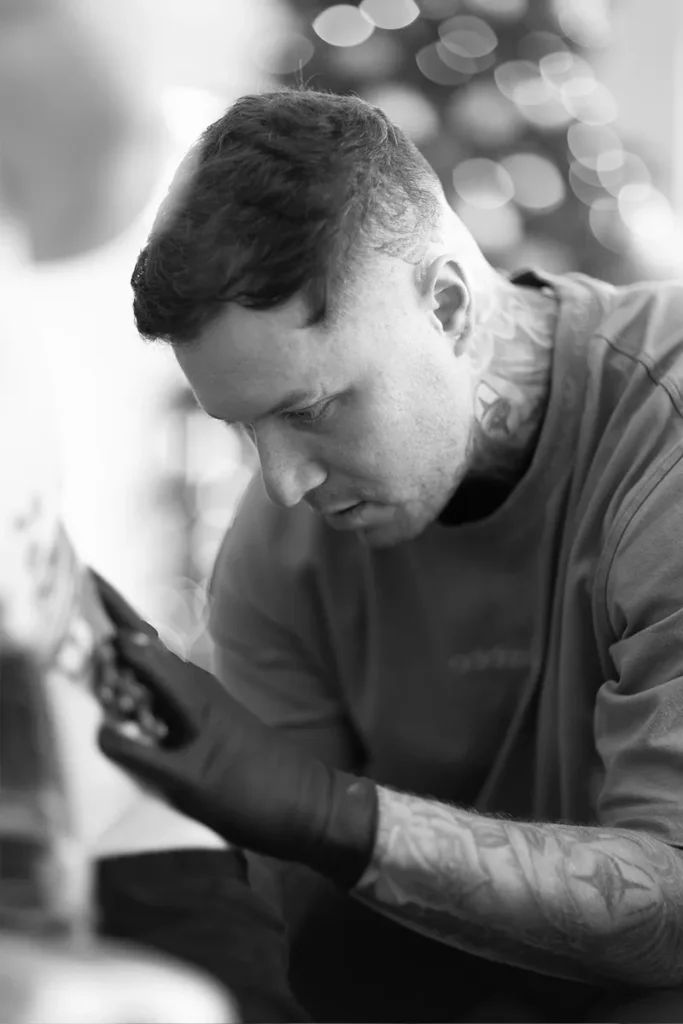
Ink wash and dilution: Realism artists work with black ink diluted to multiple grey tones using distilled water. Managing this tonal palette — knowing which dilution to use at each stage of a piece — is one of the primary skills the discipline demands. Consistency in wash preparation and application separates clean realism from muddy, poorly defined work.
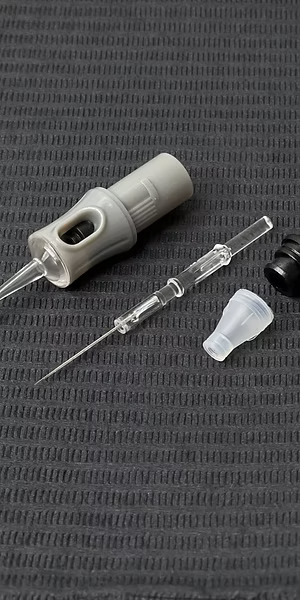
Needle configuration: Curved magnums — also called soft mags — are the workhorse needle for realism shading. Their curved arrangement allows them to move across skin more smoothly than flat configurations, reducing trauma and producing the gradient quality that defines the style. Round shaders and liner needles serve specific roles in detail and structural work.
Layering: Realism is built in layers over a single session. Artists establish the darkest tones first, then work progressively through midtones to highlights. Rushing this process or overworking skin are the most common technical errors in realism and produce muddy, overworked results that are difficult to salvage.
Stencil and tonal preparation: The quality of a realism tattoo is partly determined before the needle touches skin. Translating a reference photograph into a stencil that accurately captures tonal mapping — identifying where lights and darks fall — is a preparation skill as important as the tattooing technique itself.
According to
Subjects Best Suited to Black and Grey Realism
Certain subjects consistently appear in realism portfolios because they showcase the technique’s full capabilities:
Portraits: Human faces — whether celebrities, loved ones, or memorial subjects — are the hallmark of realism tattooing. A well-executed portrait requires the artist to reproduce likeness, emotion, and three-dimensionality simultaneously, making it the ultimate technical test.
Animals and wildlife: Fur, feathers, and scales each present unique textural challenges that reward technical mastery. Canadian wildlife subjects — bears, wolves, eagles, bison, and moose — have strong cultural resonance and consistent market demand.
Religious and spiritual imagery: The realism tradition has deep roots in religious iconography. Sacred imagery — portraits of religious figures, angels, crosses, and devotional subjects — remains in consistent demand across demographics.
Fantasy and dark art: High-contrast dark art — skulls, mythological figures, biomechanical imagery — lends itself particularly well to the dramatic tonal range achievable in black and grey realism.
Why Mastering Realism Opens Up Premium Markets
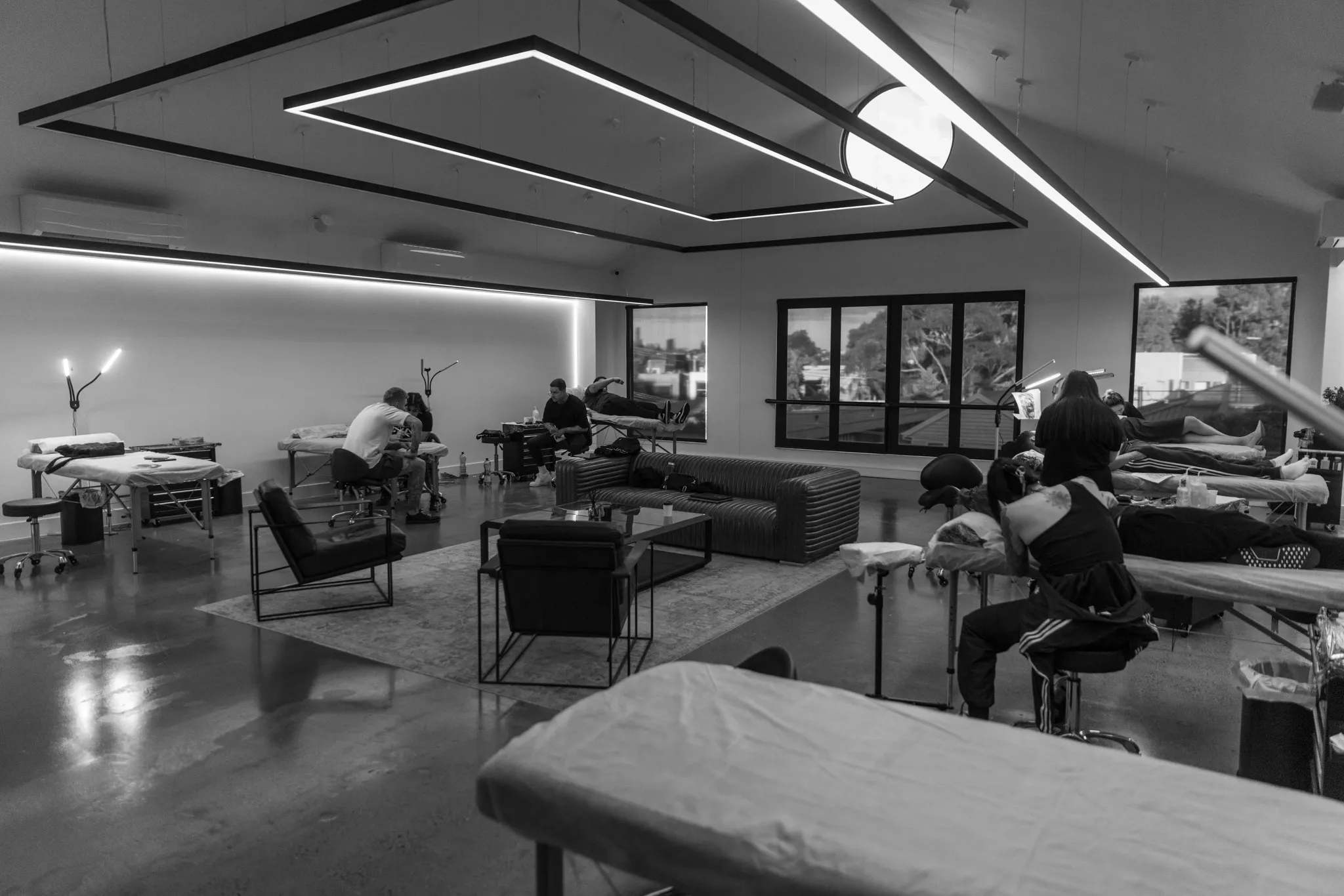
Realism artists typically occupy the premium end of the tattoo market in Canada. Portraits and detailed compositions require long sessions to complete, command high hourly rates, and attract clients who’ve researched their artist carefully and are investing in quality rather than shopping on price.
These clients tend to be experienced tattoo collectors who provide clear reference, communicate professionally, and become loyal long-term clients if the work meets their expectations. The realism market’s high technical barrier to entry also protects skilled artists from undercutting — clients who understand the style can readily identify quality, which means excellent realism artists maintain premium positioning even in competitive markets.
Our Black and Grey Realism Masterclass is taught by Luke Dyson, a 14-year veteran of black and grey realism whose portfolio spans photorealistic portraits, wildlife, and complex compositional realism. The curriculum covers the full technical range from ink wash preparation through portrait execution, with regular feedback on your submitted practice work throughout.
For career development context in the Canadian creative and personal services sector, Employment and Social Development Canada and Job Bank Canada provide relevant employment and industry data.
Explore all training options at Omnia Tattoo Academy.