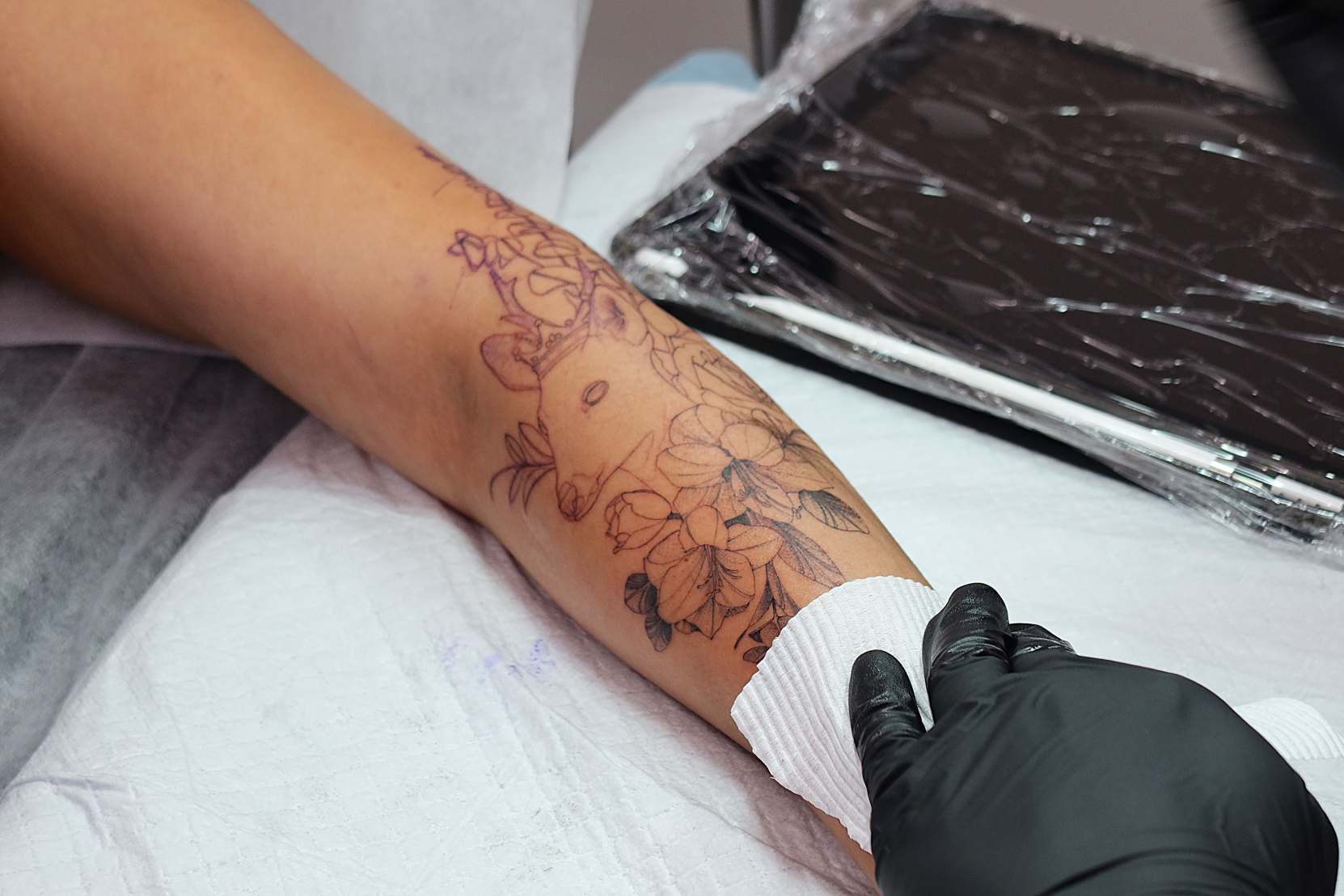
Ask a fine line tattoo artist what separates their best work from their early attempts, and needle selection almost always comes up. The correct needle configuration for the job is one of the most controllable variables in fine line outcomes — and understanding it properly makes the difference between crisp, clean lines that hold through healing and inconsistent work that leaves you puzzled about what went wrong.
This guide covers needle configurations, cartridge selection, voltage interaction, and practical guidance on when to use each type for fine line work.
Understanding Needle Notation
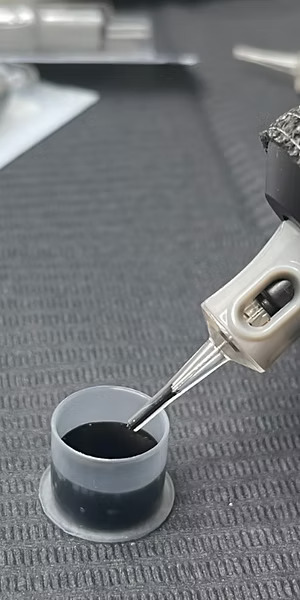
Tattoo needles are described by two primary numbers: the diameter of each individual needle pin, and the number and configuration of needles in the grouping.
The most common needle diameter for fine line work is #10 (0.30mm), sometimes called standard gauge. Many experienced fine line artists also use #12 (0.35mm) for specific liner configurations — a common misconception is that finer needles always produce finer lines, but a tight #12 grouping can produce cleaner, more consistent lines than a single #10 depending on machine settings and technique.
The configuration describes the arrangement: round liners (RL) are needles soldered in a circular cluster, used for lines and detail work. Magnums (MG) are two rows of needles used for shading and fill. Curved magnums (CM, also called soft mags) have a curved needle arrangement that reduces skin trauma and is preferred for the soft gradient shading that defines fine line aesthetics.
Core Fine Line Needle Configurations
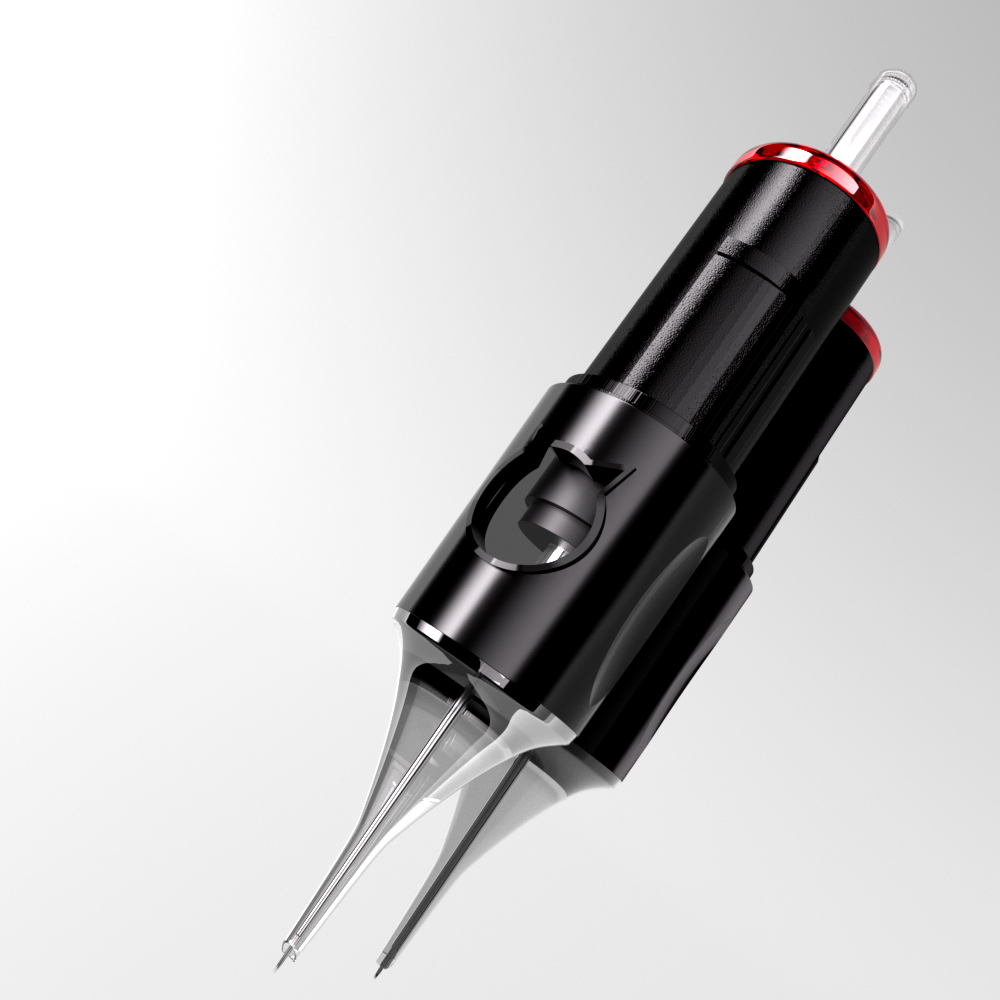
1RL (Single Round Liner): The signature needle of fine line tattooing. A single needle produces the thinnest possible line but offers no grouping to compensate for minor variations in speed or pressure — every imperfection is directly visible in the line. Ideal for ultra-fine botanical detail, micro-realism, and precise script work. Runs best at lower voltages, typically 4.5–6.5V. Requires the most controlled hand speed of any liner configuration.
3RL (3-Round Liner): Three needles in a tight round cluster. The most versatile needle in a fine line artist’s kit — it produces clean, thin lines while offering slightly more consistency than single needle because minor speed variations are partially averaged across the grouping. Ideal for botanical outlines, geometric linework, and fine line portraiture. Works well at 5.5–7V depending on machine.
5RL (5-Round Liner): A slightly more substantial fine line liner, producing a clean line with more presence than 1RL or 3RL. Suited to script at larger sizes, outline work in fine line realism, and architectural or geometric compositions where a touch more line weight is appropriate for design balance.
7RL and beyond: Once you move into 7RL territory, you’re at the boundary between fine line and general linework. These configurations are used by some fine line artists for contrast elements in larger compositions, but are not suited to delicate or intricate fine line detail work.
Shading Needles for Fine Line Work
5CM / 7CM (Curved Magnum): The standard shading needle for fine line artists. The curved arrangement allows a smooth rocking motion across skin, producing gradual ink deposits that create the soft, photographic shading quality the style is known for. For fine line portraiture and botanical shading, a 5CM or 7CM is the workhouse choice.
3CM for tight spaces: Smaller curved magnums allow more controlled shading in restricted areas — between petals, within facial features, in tight typographic serifs. They sacrifice some gradient smoothness for positional control, which is the correct trade-off for intricate work.
Avoid flat magnums for fine line shading: Flat magnum configurations deposit ink more heavily and with harder edges than curved versions. They suit solid colour packing and traditional-style fills — not the soft gradient work that defines fine line aesthetics.
Cartridge Quality: What to Look For
Cartridge quality varies significantly between brands, and in fine line work the margin for error is smaller than in bold styles. The quality markers that matter:
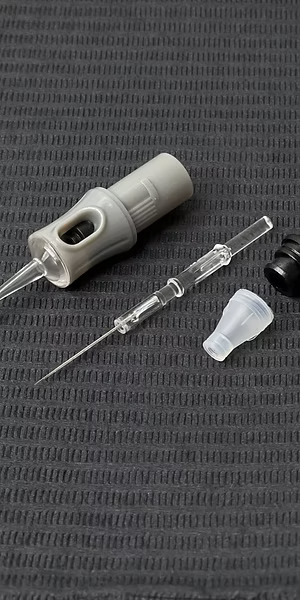
Membrane integrity: The membrane prevents ink travelling back into the machine. A poor membrane causes ink backflow, inconsistent needle performance, and machine contamination. Test: press the cartridge plunger — resistance should be consistent throughout the range of motion.
Needle alignment: Needles should be evenly soldered with no visible misalignment. Misaligned needles produce uneven lines and increased skin trauma. Visual inspection before installing a cartridge is a professional habit worth building from early in your training.
Taper length: The taper — the pointed end of each needle — directly affects how the needle enters skin. Long-taper needles enter more gently and produce cleaner, crisper lines with less trauma. Short-taper needles are more aggressive. For fine line work, long-taper configurations are strongly preferred.
Purchase cartridges from established tattoo supply companies. Unverified cheap cartridges from general marketplaces are a false economy in fine line work — inconsistent quality produces inconsistent results, and the difficulty is compounded when you’re already managing the demands of precise technique.
Voltage and Speed: Interaction with Needle Choice
Needle selection doesn’t exist in isolation from your machine settings. General principles for fine line:
• Lower voltage for liner work (4.5–7V range depending on needle and machine) — maintains control and reduces trauma • Consistent hand speed — slower for more ink deposit, faster for less • Always test your needle on synthetic skin before client sessions to confirm the combination of voltage, speed, and needle is producing the quality you need • Change cartridges during longer sessions if line quality begins to degrade — needles blunt over extended use and the degradation shows in line consistency
Understanding needle selection as part of a comprehensive technical framework — not just as equipment knowledge in isolation — is covered in depth in our Fine Line Tattoo Course. Our instructors work through machine setup, needle choice, and voltage management in the context of real fine line sessions.
For safe handling and disposal guidelines for tattoo needles in Canada, refer to the Canadian Centre for Occupational Health and Safety and your provincial health authority’s sharps disposal guidance.
Explore our full course range at Omnia Tattoo Academy.