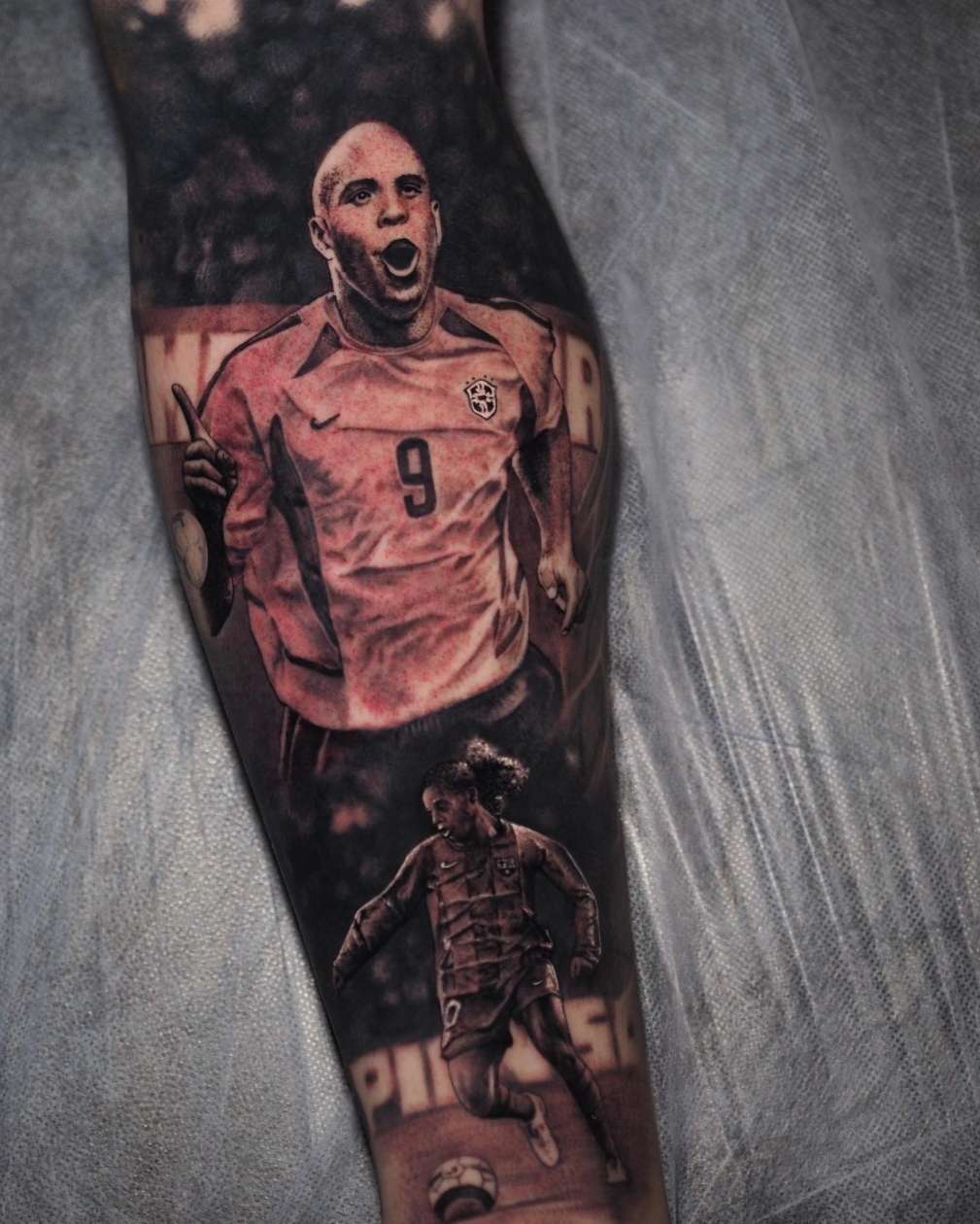
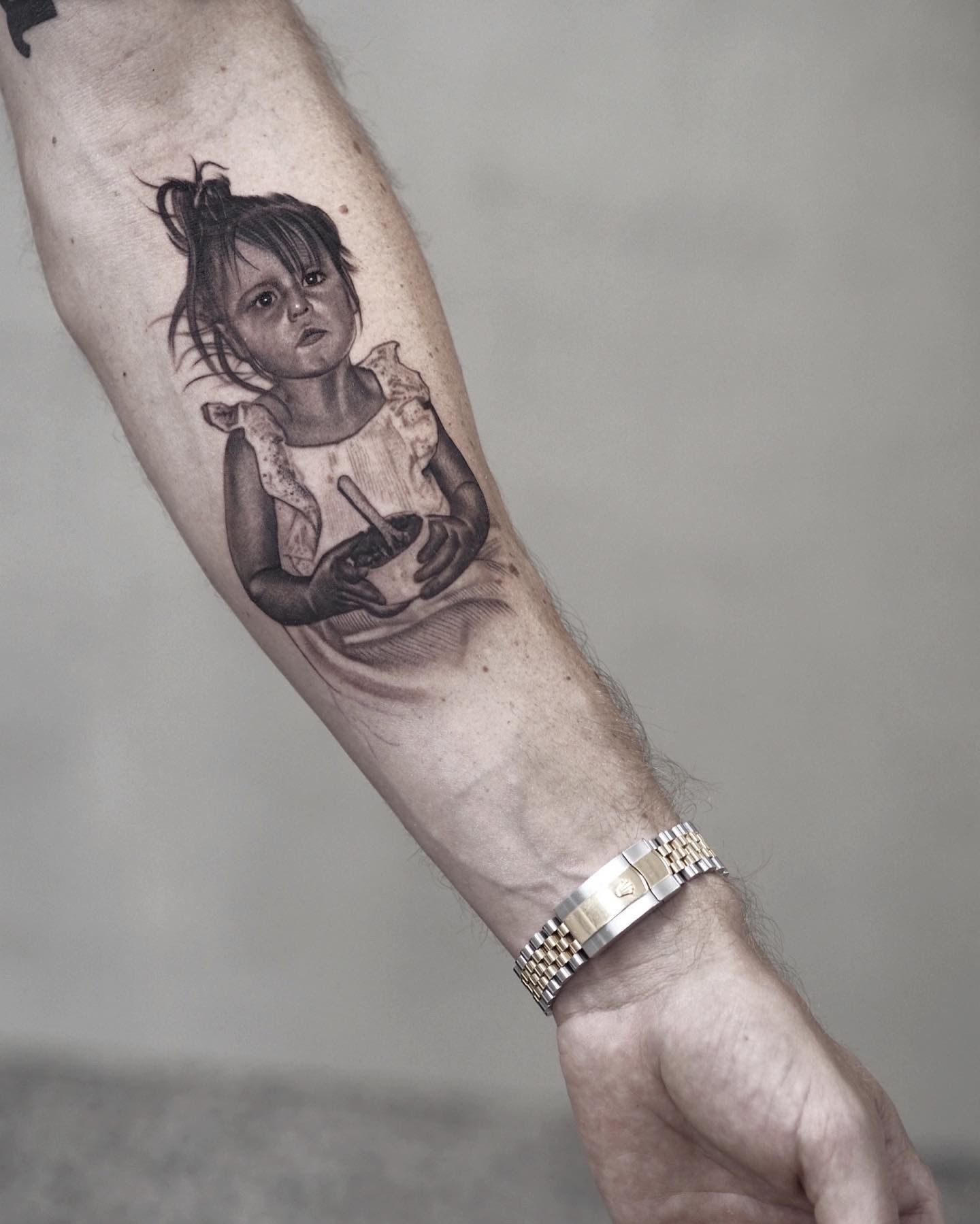
Portrait tattooing sits at the apex of the realism discipline. To place a recognisable likeness of a person’s face — accurately, permanently, on skin — requires a convergence of technical skills that takes most artists years to develop. But the artists who achieve it operate in one of the most rewarding and lucrative niches in the Canadian tattoo industry.
This guide breaks down the core competencies that portrait tattooing demands, how each is developed, and how to approach your training if portraiture is where you want to go.
Why Portraits Are the Ultimate Technical Test
The human brain is extraordinarily sensitive to faces. We are hard-wired to detect subtle deviations from normal facial proportions — a misplaced eye, a slightly wrong nose width, an expression that doesn’t quite match the reference. This hyper-sensitivity is what makes portrait tattooing so technically demanding.
With a landscape or an abstract design, small deviations from a reference often go unnoticed or read as artistic interpretation. With a human face, small deviations produce a result that doesn’t look like the subject — and in memorial portrait commissions in particular, that is a devastating outcome for the client who trusted you.
This is also why mastering portrait tattooing elevates your technical capability across the board. If you can execute a face accurately, you can execute almost any subject.
Facial Proportions and Likeness
The first skill a portrait artist must develop is an accurate working knowledge of facial proportions — and the trained ability to identify deviations from those proportions quickly.
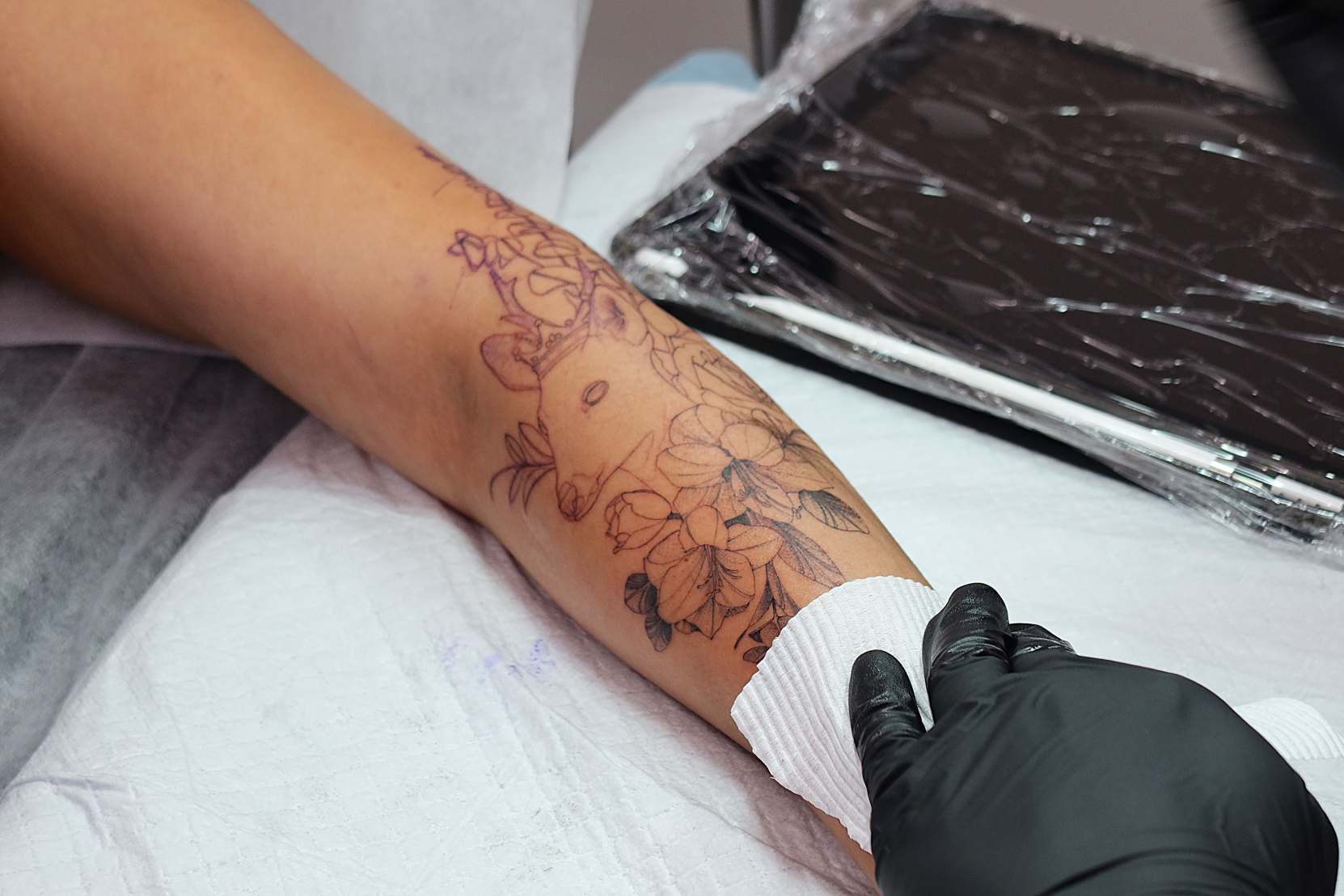
Classical proportion rules — the eyes sit at the midpoint of the skull’s height, the nose base aligns with the bottom of the ears, the mouth sits roughly one-third of the way between nose and chin — give you a systematic checklist for evaluating your stencil before the needle touches skin. If the stencil contains a proportion error, the tattoo carries that error permanently.
Developing this eye requires deliberate practice studying and reconstructing faces from reference — not just tracing. Life drawing, anatomy study, and consistent portrait drawing from photographs all accelerate this capability faster than passive observation.
Tone Mapping: The Foundation of Realism
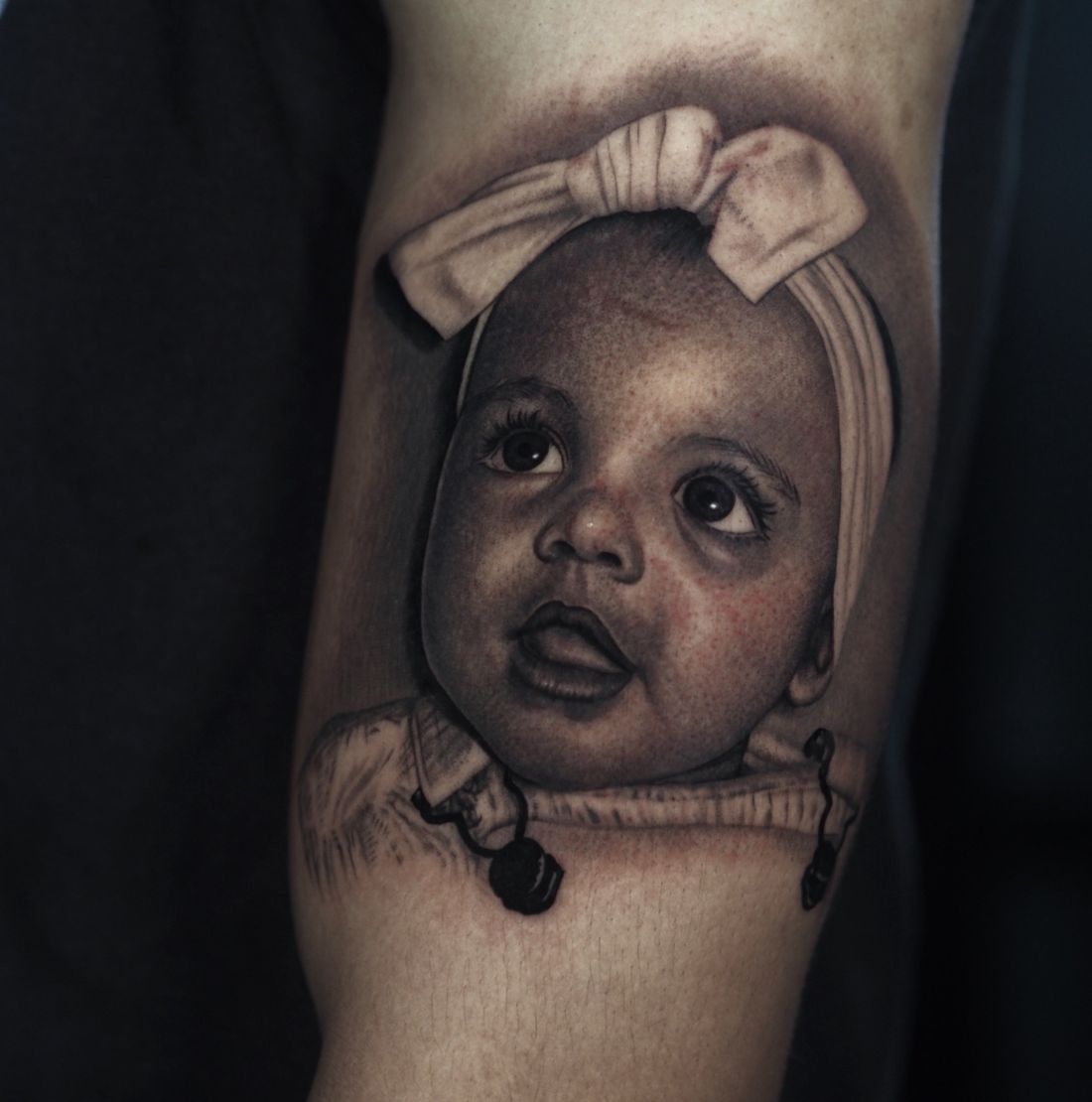
Portrait realism lives and dies on tone mapping — the process of translating the light and dark values of a reference photograph into the ink values you’ll deploy on skin.
Every portrait begins with a reference image. Before the needle touches skin, you need to have identified: the darkest areas (deep shadows in eye sockets, beneath the nose, along the jaw), the lightest areas (forehead highlights, the tip of the nose, the upper lip ridge), and the midtones that create all the transitions between them.
Many experienced realism artists convert their reference to greyscale digitally and then mark up dark, mid, and light zones before creating a stencil. This separates the challenge of likeness from the challenge of tonal execution — you address each problem independently rather than simultaneously.
Needle Technique for Portrait Work
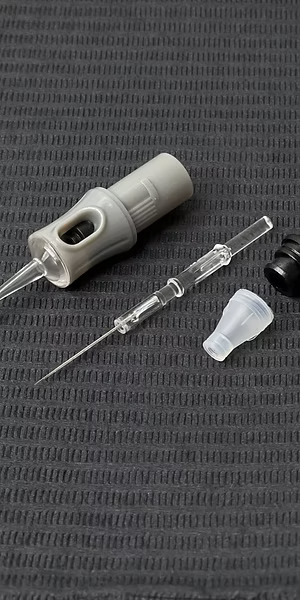
Curved magnums as the primary tool: For smooth gradient transitions across broad facial areas — cheeks, foreheads, temples — curved magnum needles allow a rocking motion that deposits ink gradually and evenly. Flat shaders create harder edges that are useful in specific high-contrast areas but will create visible lines if used carelessly across gradient transitions.
Whip shading: A critical technique for portrait soft transitions. Whip shading involves pulling the needle away from the skin at the edge of a shaded area to taper the ink deposit to nothing. A consistent whip requires significant practice on synthetic skin before it becomes reliable — inconsistent whipping produces banded gradients that undermine the realistic quality of the work.
Layered construction: Realism portraits are built in controlled layers, never rushed. Establish the darkest values first, then add midtone layers, then refine transitions. The instinct to keep adding ink to fix a problem area is one of the most common errors in portrait work — overworking typically makes the problem worse. Work methodically, step back frequently, and allow each layer to inform the next.
Reference Photography: What Makes a Good Portrait Tattoo Source
The quality of your reference photograph directly determines your ceiling for the finished tattoo. Poor reference means poor tattoos regardless of your technical level.
For client portrait work — particularly memorial commissions — you’ll often be working with whatever photograph the client provides. When possible, guide them toward reference that has:
• High resolution and sharp focus specifically on the face • Clear, directional lighting that creates visible shadow definition • A simple or neutral background that doesn’t compete with the subject • A natural, characterful expression that captures the person authentically • A favourable angle — three-quarter views are often more forgiving and natural than direct frontal
When reference is suboptimal, communicate clearly and honestly before beginning. A client who understands the limitations of their reference before you start is far easier to manage than one who sees the finished result and is confused by the gap.
Building Portrait Competence on Synthetic Skin
No serious portrait artist starts their first client piece without extensive synthetic skin practice. Portrait work requires too many simultaneous technical demands to learn reactively on a live person.
A systematic approach: begin with clear, high-quality reference photographs — single face, direct light, clear features, neutral expression. Work the full process on synthetic skin: stencil creation, tone mapping, layered execution. Photograph the result and compare it to the reference. Identify the single largest gap and focus your next practice session specifically on that gap before moving on.
This iterative cycle — execute, photograph, compare, identify gap, target it — is how portrait skills develop efficiently. Random practice without targeted feedback produces slow improvement.