One of the most important decisions an aspiring tattoo artist makes is which style to specialise in. This decision shapes your training pathway, your client base, your pricing, and your professional identity for years to come. Get it right, and your career has a clear trajectory from the start. Get it wrong, and you spend years fighting against your own instincts and rebuilding a portfolio that doesn’t represent who you actually are as an artist.
This guide gives you a clear framework for making that decision before you invest in training.

Why Specialisation Matters More Than You Think
Many aspiring artists assume they should learn as many styles as possible before narrowing down. The logic seems reasonable: broader knowledge creates more flexibility. In practice, the opposite tends to be true.
Specialisation does things that generalism cannot. It defines your portfolio with clarity — a potential client can look at your Instagram and immediately understand what you do and whether you’re the right artist for what they want. It lets you develop genuine technical depth in one area rather than spreading effort across many. And it gives you a market position: ‘the fine line botanical artist in Vancouver’ or ‘Calgary’s go-to black and grey portrait specialist’ are powerful professional identities that attract the right clients and repel the wrong ones.
The tattoo artists who build strong, sustainable careers in Canada are almost universally those who find their niche early and develop it with intention.
Understanding the Main Style Categories
Before choosing a specialisation, you need a clear picture of what’s available. The tattoo industry has dozens of recognised styles, but they fall into a handful of broad categories:
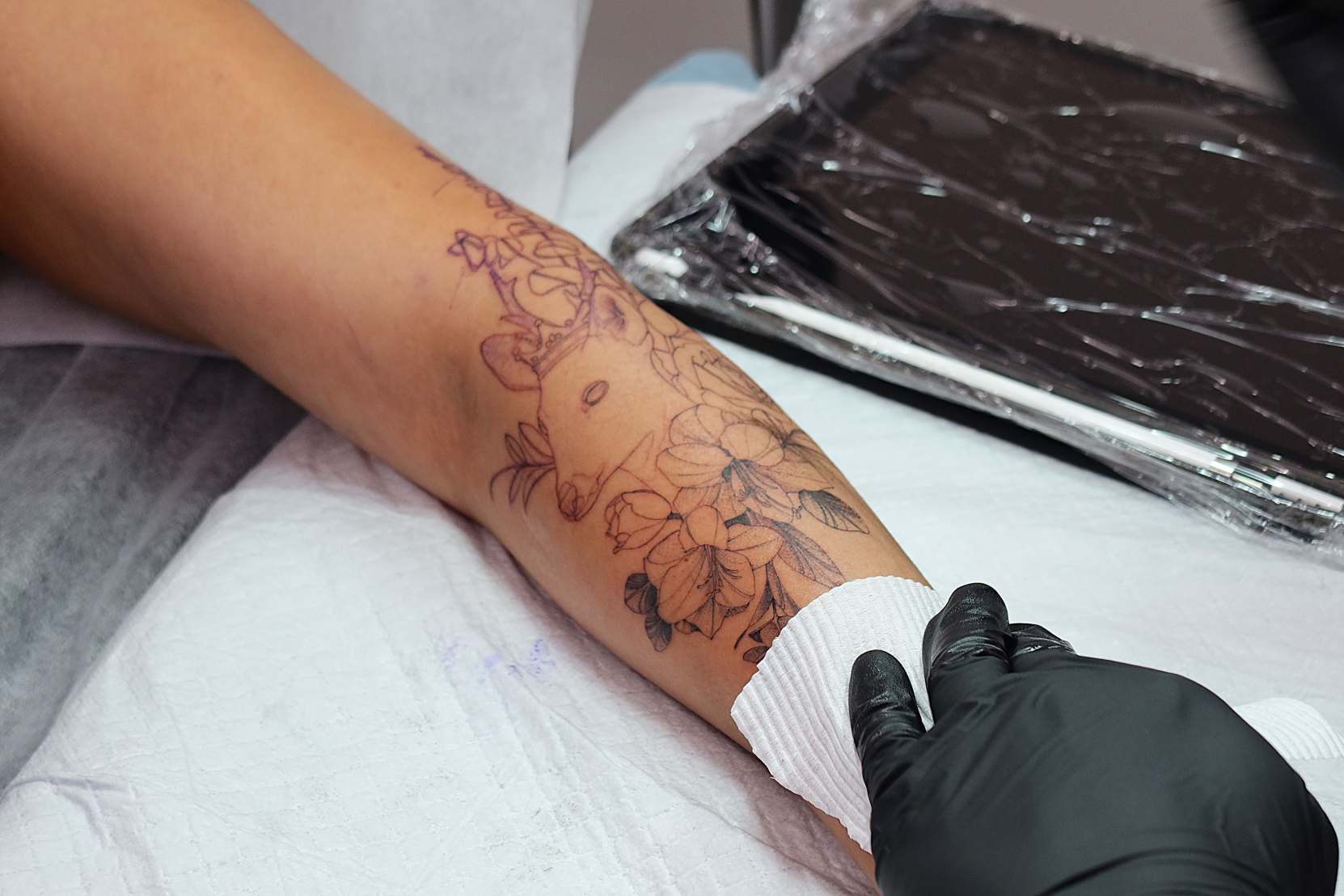
Fine line: Delicate, precise, minimal. Single-needle or small needle groupings produce thin lines and subtle shading. Popular with clients seeking elegant, understated designs — botanicals, script, geometric minimalism, small portraits. High demand in every major Canadian market, premium pricing, strong social media performance.
Black and grey realism: Photorealistic imagery in monochrome using ink wash techniques. Portraits, wildlife, religious imagery, dark art. Technically demanding, high prestige, premium client demographic.
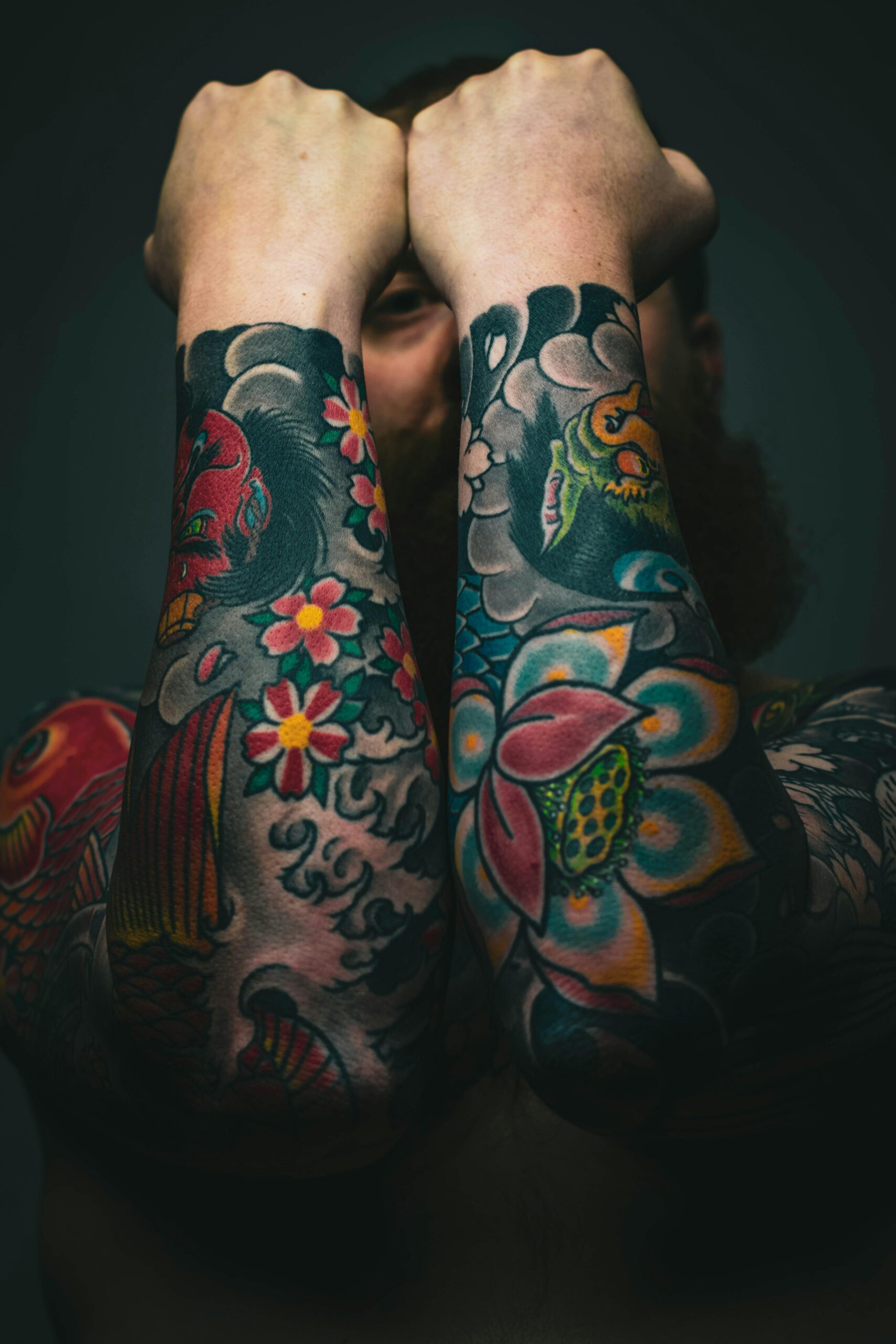
Traditional and neo-traditional: Bold outlines, solid fills, classic iconography. Neo-traditional adds more illustrative complexity and broader colour range. Strong visual durability, consistent demand across demographics, lower precision barrier than fine line or realism.
Geometric and dotwork: Pattern-based, mathematically precise. Sacred geometry, mandalas, dotwork shading. Appealing to a distinct client demographic who values precision and symmetry.
Japanese (Irezumi): Large-scale traditional Japanese imagery — koi, dragons, peonies, waves, phoenixes. Long sessions, highly loyal collector clients, specific cultural knowledge required. Consistent high-value demand in Canadian cities with strong Japanese cultural communities.
Watercolour and abstract: Colour-focused, painterly, less reliant on outlines. Visually distinctive but with documented longevity challenges that require careful client communication and expectation management.
Questions to Ask Yourself Before Choosing
The most reliable path to identifying your best-fit style is honest self-reflection. Work through these questions:
What do you draw naturally? Sit down and sketch with no brief or agenda. What comes out? Intricate small details point toward fine line. Faces and figures toward realism. Bold graphic shapes toward traditional or Japanese work. Your unsupervised drawing reveals your natural inclinations more reliably than any quiz.
What excites you enough to practise at 10pm? Style choice is a long-term commitment. You’ll spend hundreds of hours practising before you’re charging premium rates. Choose something you’ll genuinely want to work on during every available hour — not something you think you should choose for commercial reasons.
Who do you want to work with? Different styles attract different clients. Fine line and realism attract quality-conscious, research-driven clients who’ve identified the artist they want. Traditional work attracts a broader demographic. Japanese attracts serious long-term collectors. Consider which client dynamic you’d enjoy building.
What is your local market missing? If your city has five excellent traditional artists and no one doing fine line botanical work, there’s a commercial gap worth considering. Local market research before committing to training is smart strategy, not overthinking.
Fine Line and Realism: The Two High-Value Specialisations
Of all the styles available to train in, fine line and black and grey realism consistently sit at the top tier in terms of earning potential, market demand, and career longevity in the Canadian market. Both have growing client bases, clear premium positioning, and a technical quality bar that protects skilled artists from price competition.
Fine line is ideal for artists drawn to precision, minimalism, and a younger aesthetics-focused client demographic. It performs exceptionally well on social media, driving organic client acquisition in a way few other styles match.
Realism is for artists who want to push technical boundaries, work with serious collectors on large-scale compositions, and build a career in the discipline with the highest craft ceiling. The path to proficiency is longer, but the market position at the top is excellent.
We offer dedicated training in both. Our Fine Line Tattoo Course takes aspiring artists from beginner to professional-standard fine line work. Our Black and Grey Realism Masterclass covers the full technical demands of portrait and subject realism in depth.
Don’t Overthink It — Start and Adjust
The style you begin training in doesn’t have to be your final style. Many artists start with one specialisation, build foundational skills, and then expand or refine their focus as they discover where their passion and ability genuinely intersect.
What matters is starting with a clear intention rather than trying to learn everything simultaneously. Pick the style that best matches your natural inclinations, commit to developing real competence, and let your career evolve from there.
View our full range of training at Omnia Tattoo Academy and find the pathway that fits where you want to go.
For vocational training and career development resources in Canada, Employment and Social Development Canada provides information on apprenticeship, skills training, and creative career pathways.