Two of tattooing’s most popular styles sit at opposite ends of the technical spectrum. Fine line is delicate, restrained, and demanding in its precision. Traditional tattooing is bold, graphic, and demanding in its own very different way. Both have dedicated practitioners and loyal client bases. Both support viable career paths in Canada.
But if you’re deciding which to train in, the differences matter significantly. Here’s a thorough comparison across the dimensions that count most for building a sustainable tattoo career in the Canadian market.
The Techniques: Fundamentally Different Approaches
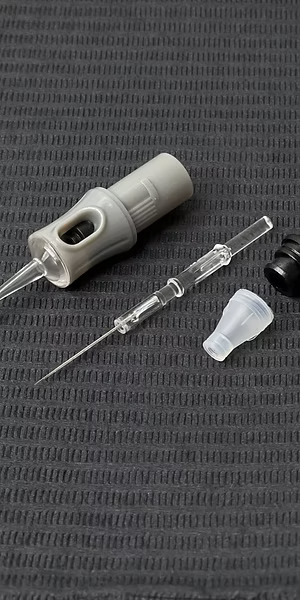
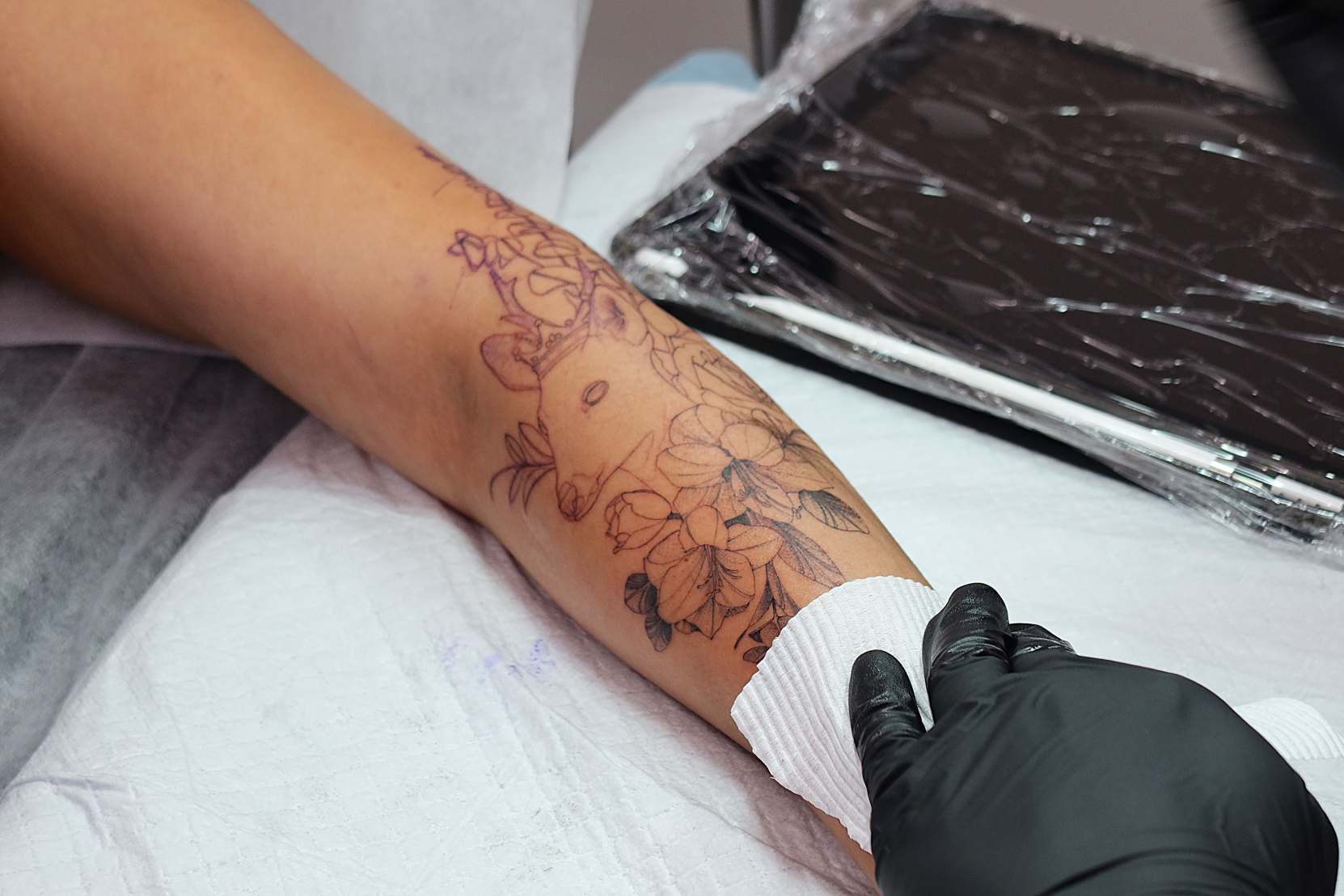
Fine line tattooing relies on single needles or small tight groupings — typically 1RL, 3RL, or 5RL — to produce thin, precise lines with minimal ink deposit. The artist must maintain consistent depth, speed, and pressure across intricate paths. Any variation creates visible inconsistency. Shading in fine line uses subtle gradient work to produce a soft, almost photographic quality that clients associate with the style’s signature aesthetic.
Traditional tattooing — the bold, outlined style most associated with American and sailor imagery — uses thicker needle groupings: magnums and flat shaders to pack ink solidly across broad areas. Lines are heavy and intentional. Colour fills are saturated. The aesthetic is graphic and high-contrast, built on a visual language that has remained consistent for decades. The technique requires controlled packing and layering of colour rather than the precision line-following that defines fine line work.
Neither style is objectively harder than the other. They challenge different aspects of the artist’s skill and temperament.
Tools and Equipment
Fine line: Single-needle cartridges and small round liners (1RL–5RL) are the primary tools. Machine settings run at lower voltages — typically 5–7V — to maintain control and minimise trauma. Lightweight rotary machines are strongly preferred among fine line artists for their precision and responsiveness.
Traditional: Heavier needle groupings for lining and solid colour fills, with flat shaders for colour packing. Both rotary and coil machines are used, with coil machines maintaining a strong following among traditional artists for the distinctive feel they provide. Higher voltages are appropriate for heavy colour packing and solid fill work.
The initial equipment investment is comparable between styles. However, the learning curve for fine line is generally steeper in the early stages because the margin for visible error is smaller — there’s less ink volume to compensate for technical imperfection.
Client Base and Market Dynamics in Canada
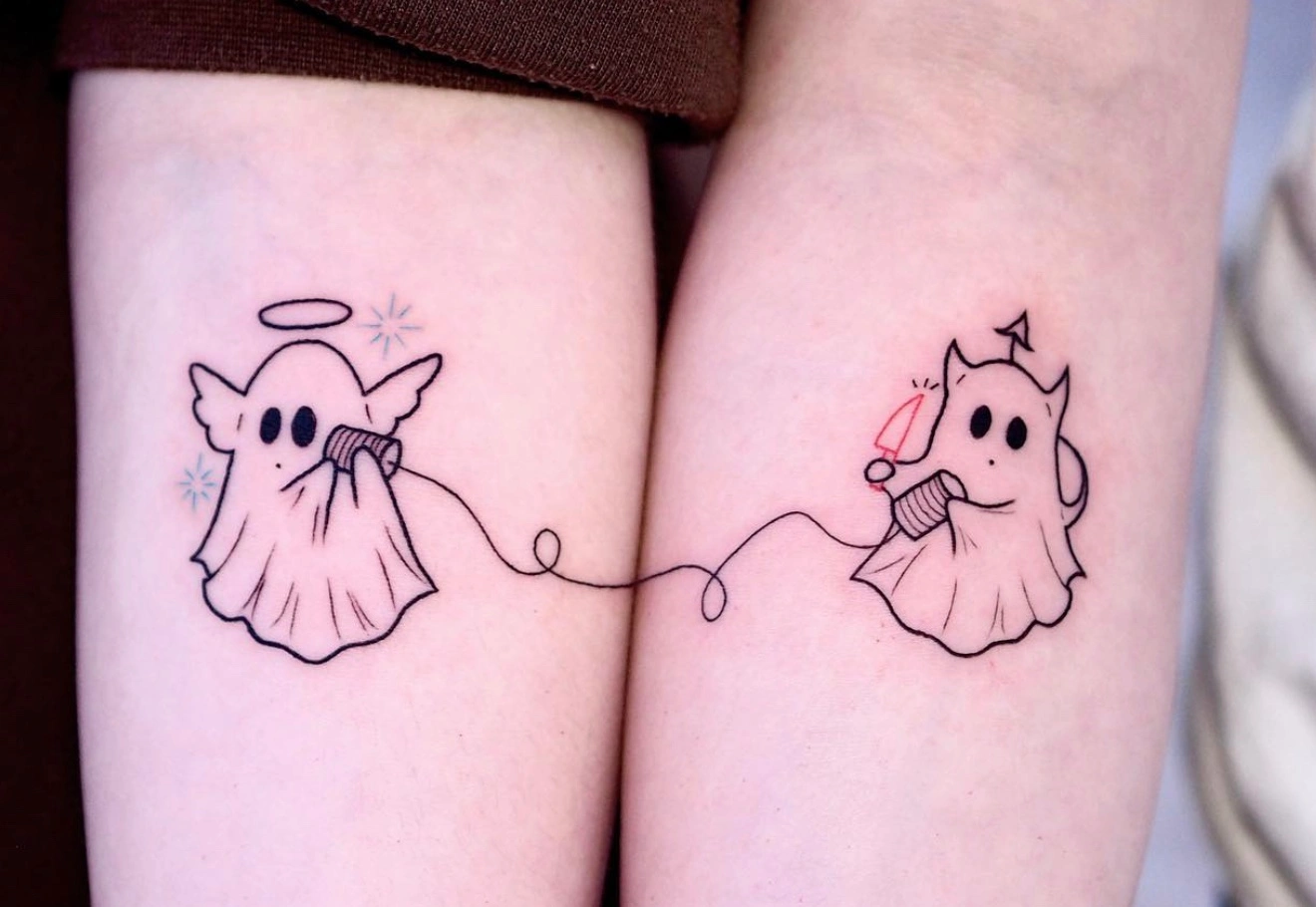
Fine line clients tend to be younger, heavily represented in the 25–40 female demographic, aesthetics-focused, and often booking their first or second tattoo. They’re drawn to the style’s delicacy and respond strongly to Instagram and TikTok content. They typically book smaller initial pieces and return for additions over time — building long-term relationships and repeat booking revenue naturally.
Traditional tattoo clients span a broader age range and often have more tattoo experience. They tend to have clear ideas about what they want, value the heritage and durability of the style, and may be pursuing larger coverage — sleeves, chest panels, back pieces. Traditional collectors become extremely loyal to their artists and generate consistent high-value repeat sessions over years.
The Canadian market supports both demographics strongly. Fine line has seen faster growth over the past five years in urban markets, particularly in Toronto, Vancouver, and Montreal. Traditional maintains a deeply loyal client base and consistently generates some of the highest-value individual commissions in the industry.
Earning Potential Compared
Both styles support strong earning potential in Canada, through different mechanisms:
Fine line tattoos are often smaller pieces completed in shorter sessions — 1–3 hours is common. However, hourly rates for established fine line specialists are high, and the volume of bookings can be significant because individual sessions are faster relative to their price point. A well-booked fine line artist completing four to six sessions per day can generate substantial daily revenue.
Traditional pieces are often larger and require longer sessions. Day rates and multi-session project pricing are common. A traditional sleeve completed over several months represents a substantial total commission from a single client with relatively low ongoing acquisition cost.
Over a full year, experienced artists in both styles achieve comparable total revenues in the Canadian market. The structural difference is in volume versus value: fine line tends toward higher volume of shorter, well-priced sessions; traditional toward fewer, larger, longer-duration commissions.
Style Longevity: Which Ages Better?
A well-executed traditional tattoo — bold lines, solid colour — will age more gracefully than fine line work executed with poor technique. This is a legitimate consideration when choosing a specialisation.
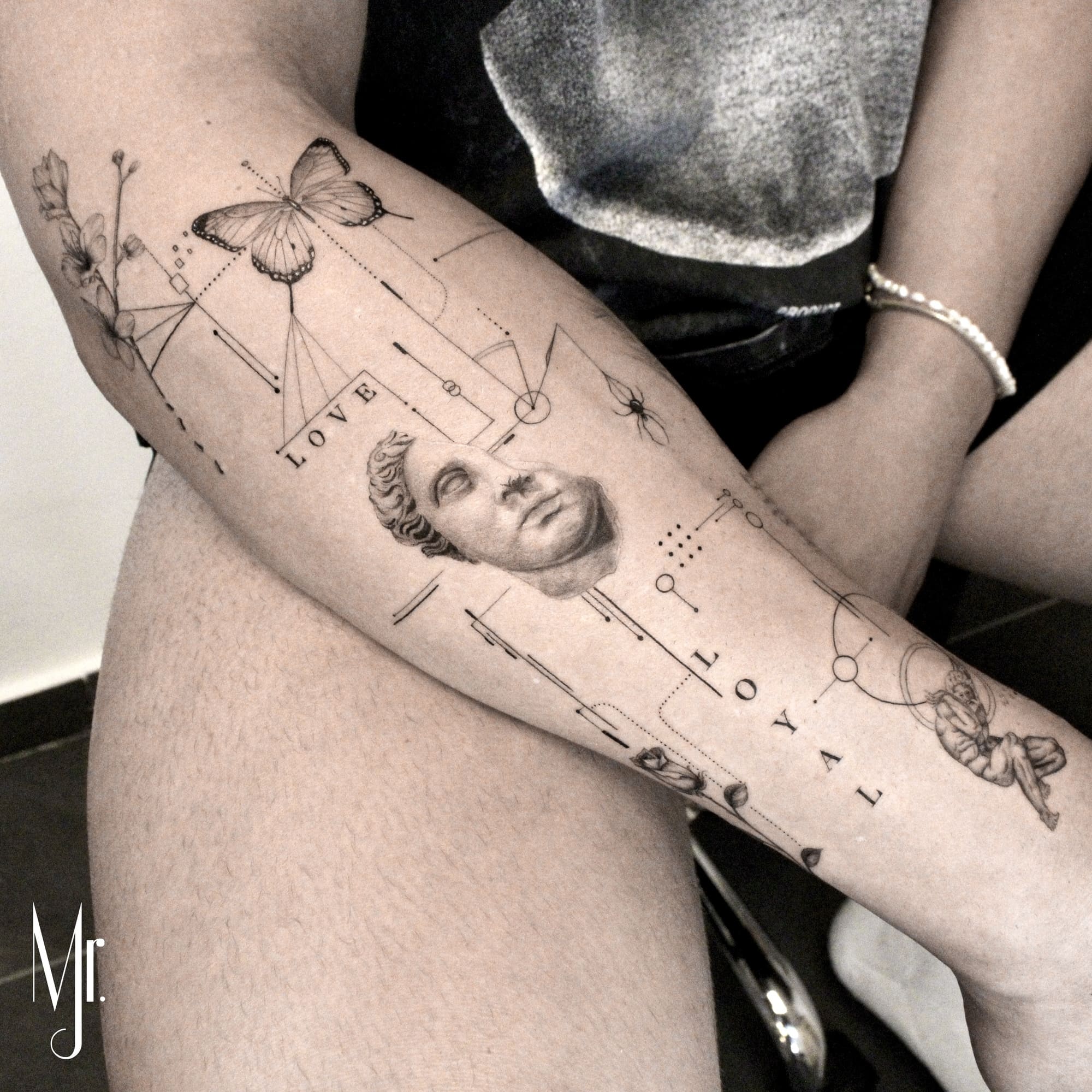
Fine line tattoos are more susceptible to fading and blurring over time if ink is not placed at the correct dermal depth with appropriate density. A fine line artist who works at correct depth and density produces work that holds well. A fine line artist with poor depth control produces work that fades significantly within a few years.
For clients, this is an expectation management conversation. For aspiring artists, it reinforces why proper training matters — fine line done correctly holds; fine line done incorrectly fails visibly, and that reputation follows an artist through their early career.
Which Should You Train In?
The honest answer is the style you’re more naturally drawn to creating. Both are viable specialisations with strong market support in Canada. The difference lies in which client dynamic and technical challenge you find more compelling.
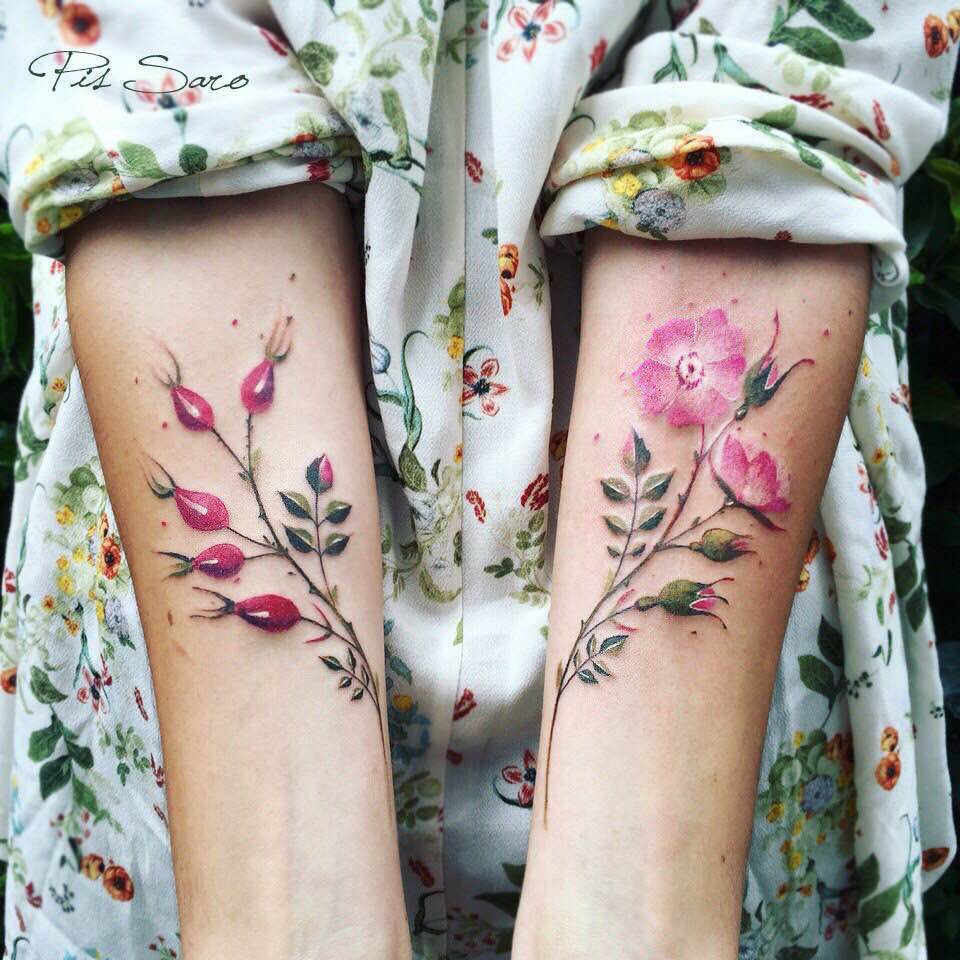
If you’re drawn to delicate, intricate work — botanicals, script, micro-realism, geometric minimalism — fine line is the natural fit. It’s the fastest-growing style in the Canadian market right now, and the skill set transfers to other precise work as your career develops.
If you love bold, graphic imagery, value the heritage and durability of the traditional style, and want to build a career producing high-impact, high-saturation pieces — traditional training makes sense.
Our Fine Line Tattoo Course is designed specifically for aspiring artists who want to build a professional fine line career — covering technique, skin science, stencil preparation, and client management in a fully online, self-paced format with tutor support six days a week.
Explore all our training pathways at Omnia Tattoo Academy.
For guidance on setting up a personal services business in Canada, Canada.ca Business and the Business Development Bank of Canada provide resources for new sole proprietors and small business operators.